

The Science Behind Anti-Flash Rust Agents: How They Protect Metal
Release Time:
2026-02-04

To solve the problem of flash rust, we must first understand the chemistry at the interface between the wet paint and the metal. When waterborne paint is applied, a micro-electrochemical cell is formed. Without protection, the metal ions migrate, and rust forms in minutes.
The Mechanism of Passivation
Most high-quality anti-flash rust agents work through Passivation. These additives contain organic or inorganic compounds that react with the metal surface to form an ultra-thin, non-reactive layer. This layer acts as a barrier that increases the electrical resistance of the metal surface, effectively "shutting down" the rusting process during the critical evaporation phase of the water.
pH Balance and Stability
The pH level of the paint system plays a massive role. Most anti-flash rust agents perform best in slightly alkaline environments (pH 8-9). If the system becomes too acidic, the protective layer can break down, leading to sudden rust outbreaks. Stable pH control is the secret to consistent anti-flash rust performance.

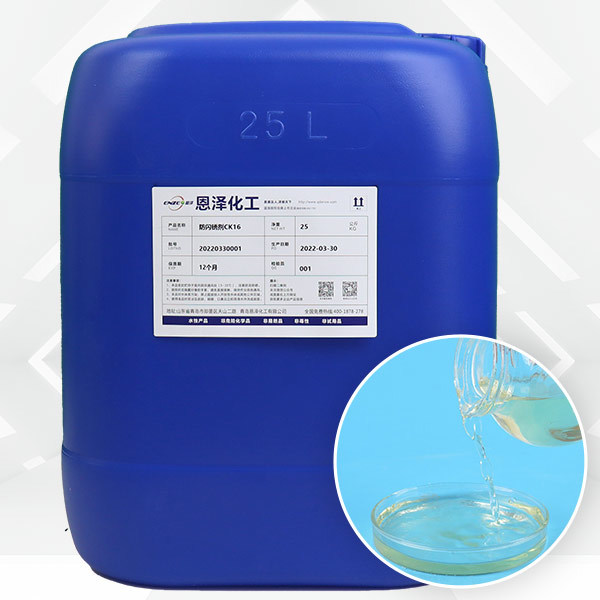


Understanding the electrochemical nature of flash rust allows formulators to choose agents that do more than just mask the problem—they chemically alter the metal's surface to ensure a flawless start for the coating.
Related News
What do you want?
If you have any questions about our products, please leave your email to us and we will contact you within 24 hours.

Haier Road, Yanjialing Industrial Park, Tongji Office, Qingdao, Shandong, China
Products
Follow us

Website QR Code