

Preventing Flash Rust in Difficult Environments: Practical Tips
Release Time:
2026-02-06

Even the best waterborne paint can fail if the environmental conditions are poor. High humidity and low temperatures are the "enemies" of waterborne systems. In these cases, the role of an anti-flash rust agent is more critical than ever.



The Impact of Humidity and Temperature
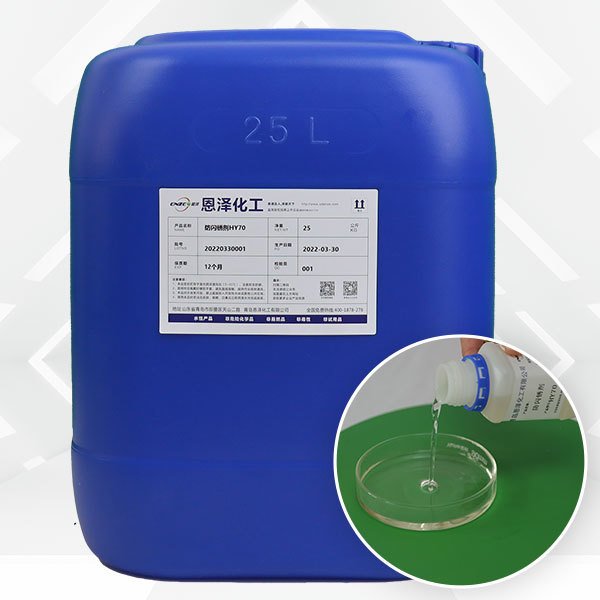
When the humidity is above 80%, water evaporates slowly. The longer the water stays on the metal, the higher the risk of flash rust. In coastal or rainy regions, standard paint formulas often struggle. Increasing the dosage of a high-efficiency anti-flash rust agent is often the most effective "emergency" fix for these conditions.
Surface Preparation: The Often Forgotten Step
Flash rust isn't always the paint's fault. If the metal surface has salt residues, oil, or old rust, even the best anti-flash rust agent will struggle.
Pro Tip: Ensure the substrate is cleaned with deionized water or specialized cleaners before application to give the additive a clean surface to bond with.

Common Troubleshooting: Why is my paint still rusting?
If you are using an additive and still see rust, check the following:
Film Thickness: Too thin a layer might not have enough additive to cover the surface.
Stirring: Was the agent mixed thoroughly? Uneven distribution leads to localized rusting.
Drying Speed: Is there enough airflow? Use fans to speed up water evaporation.
Flash rust inhibitors are powerful tools, but they work best when combined with good shop practices. By controlling humidity, ensuring surface cleanliness, and using the right additive dosage, you can achieve a professional, rust-free finish every time.
Related News
What do you want?
If you have any questions about our products, please leave your email to us and we will contact you within 24 hours.

Haier Road, Yanjialing Industrial Park, Tongji Office, Qingdao, Shandong, China
Products
Follow us

Website QR Code