

Popular Science of Dispersants — Principles, Types and Core Functions
Release Time:
2026-03-06

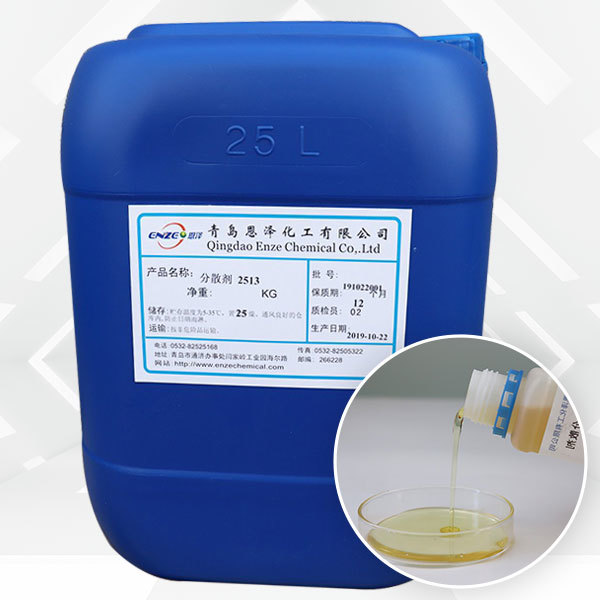
Dispersants are surfactants with both lipophilic and hydrophilic properties. Their core function is to improve the dispersion of solid or liquid particles in a medium, prevent particle agglomeration and sedimentation, and form a stable suspension system. Widely used in fine chemicals, construction, pharmaceuticals and other fields, they are indispensable key additives in industrial production.
Their essential role is not simply "breaking up" particles, but altering the physicochemical properties of the particle interface to establish a repulsion barrier between particles, thus inhibiting agglomeration at the source.
Dispersants are mainly divided into inorganic and organic categories, with different mechanisms:

Inorganic dispersants: mainly silicates and alkali metal phosphates, which prevent particles from approaching by forming electrostatic repulsion on the particle surface. Commonly used in water treatment, pigment preparation, etc.
Organic dispersants: mainly polymeric polymers and surfactants, which form a protective layer on the particle surface through steric hindrance. They have stronger adaptability and wider applications.
Core Functions:
- Shorten particle dispersion time
- Improve system stability
- Enhance product gloss, tinting strength and hiding power
- Prevent floating color and flooding
- Reduce system viscosity
- Increase pigment loading
- Extend product storage life
Whether for pigment dispersion in coatings or stabilization of active ingredients in pesticide formulations, dispersants optimize production processes and improve product quality, acting as an important bridge between raw materials and finished products.

Related News
What do you want?
If you have any questions about our products, please leave your email to us and we will contact you within 24 hours.

Haier Road, Yanjialing Industrial Park, Tongji Office, Qingdao, Shandong, China
Products
Follow us

Website QR Code