

Analysis of the Key Ingredients and Functions of Rust Converters
Release Time:
2026-03-20

In the previous issue, we discussed traditional methods of rust removal. So, what exactly is this rust converter that does the job in a single step? In summary, it works as follows:
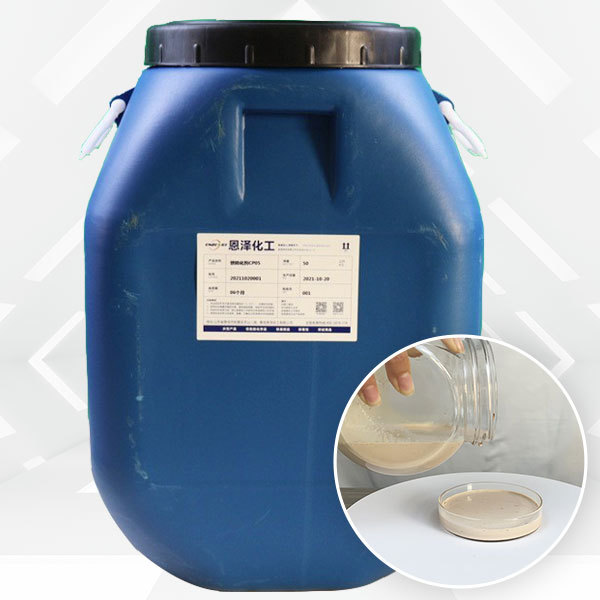
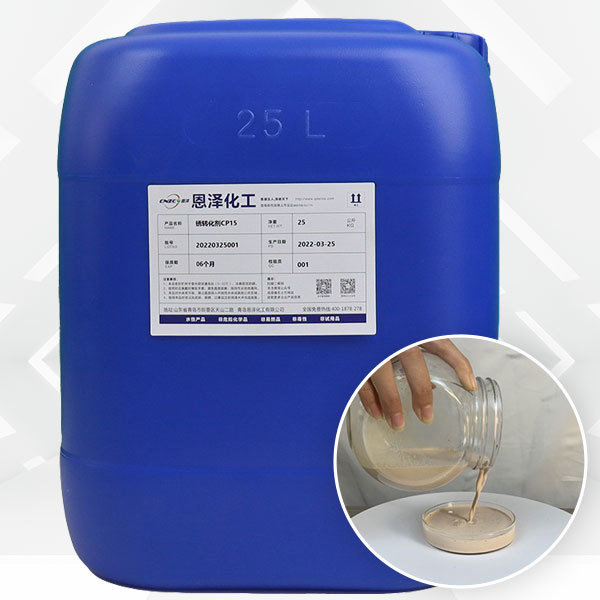
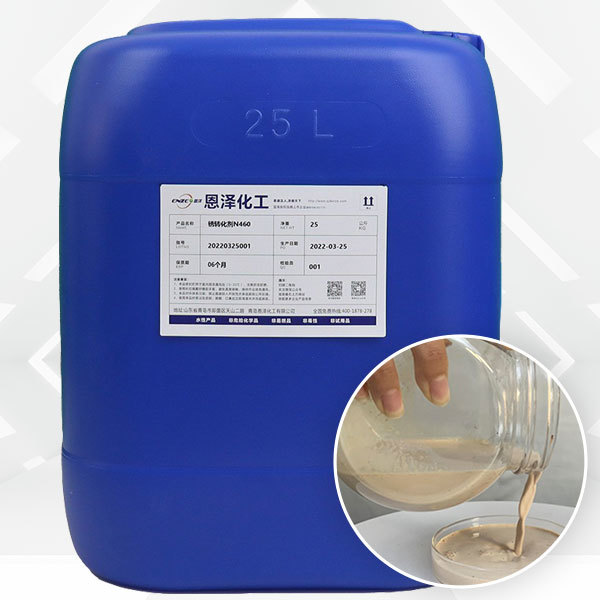
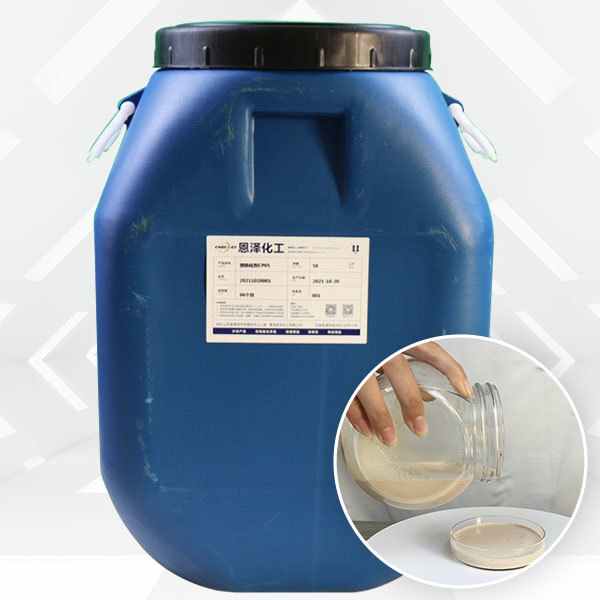
1. Polymer emulsions that form a film upon drying. These can create a dry film of a certain strength, blocking contact between the steel surface and the air, thereby providing rust protection. At the same time, they act as a binding carrier for the stable complexes formed when the rust converter reacts with the rust. Commonly used polymer emulsions include acrylic emulsions, polyvinylidene chloride (PVDC) emulsions, styrene-acrylic emulsions and silicone-acrylic emulsions.
2. They contain chemicals capable of reacting with rust; upon reaction, these form stable complexes. This process not only converts the rust but also creates a stable compound that firmly coats the steel surface, blocking contact with the air and thus providing rust protection. This achieves what we refer to as ‘rust removal and protection in a single step’. Common rust converters currently include organic carboxylic acids, phosphoric acid and its salts, etc.

3. As rusted surfaces are uneven and porous, achieving complete rust conversion requires chemical reagents with excellent penetrating ability. These must be able to penetrate deep into the rust and react fully with it. Chemical compounds capable of meeting these penetration requirements are typically small-molecule alcohols, non-ionic surfactants, and organosilicon penetrating and levelling agents.
4. When dealing with rust, we cannot afford to wait a long time for the rust removal process; we expect to see results quickly. Therefore, the conversion agent should also contain a catalyst to enhance conversion efficiency or accelerate the reaction rate.

5. Solvents or co-solvents: Water is the most commonly used solvent, whilst co-solvents are typically low-molecular-weight alcohols or organic solvents. Co-solvents improve the solubility of organic carboxylic acid-based rust converters and enhance the storage stability of the product formulation.
Related News
What do you want?
If you have any questions about our products, please leave your email to us and we will contact you within 24 hours.

Haier Road, Yanjialing Industrial Park, Tongji Office, Qingdao, Shandong, China
Products
Follow us

Website QR Code